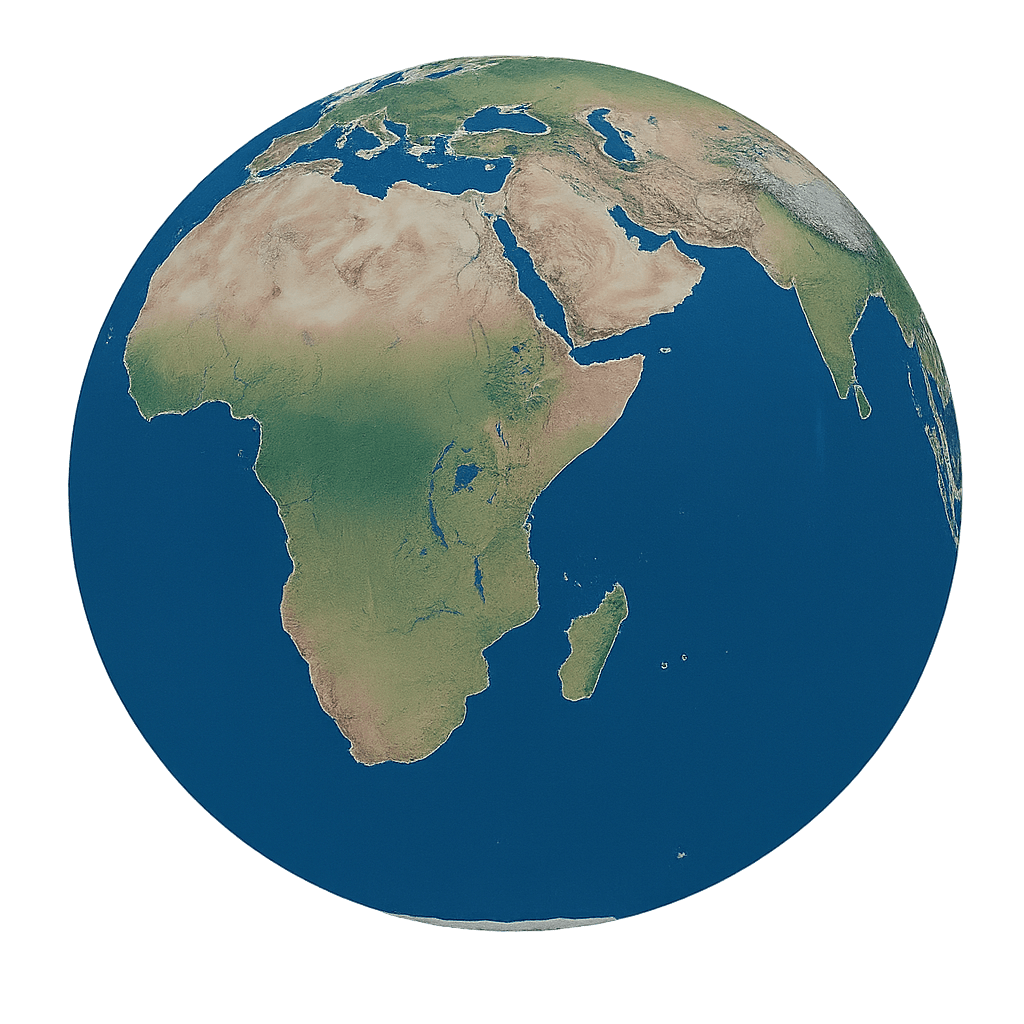

Sudan Government Relocates Capital City to Khartoum
Addressing assembled crowds following his journey from Port Sudan—which had served as the provisional seat of government throughout the hostilities—Idris characterized the relocation as a pivotal moment for the nation.
"Today we return, and with us returns a government of hope to the national capital," he said. "We promise improved services and a better life for our people."
Idris committed to strengthening healthcare and educational infrastructure, reconstructing medical facilities, and restoring academic institutions, with special focus on the University of Khartoum. He additionally promised enhanced security measures and elevated living standards for residents.
The prime minister revealed that authorities have presented the 2026 national budget while avoiding new fiscal pressures on citizens, stating the administration targets reducing inflation to 70%.
The most recent official data from November indicated inflation at 74.2%.
Idris explained the fiscal plan also pursues raising gross domestic product expansion to 10% and controlling parallel market currency rates as components of economic stabilization strategies.
He framed the present year as "a year of peace," calling it "the peace of the brave and the victorious."
On May 21, the Sudanese army declared it had secured complete dominance over Khartoum, announcing the capital liberated from RSF presence following combat operations in the Salha district south of the metropolitan area.
This past July, the chairman of the Transitional Sovereignty Council, Abdel Fattah al-Burhan, issued a decree forming a national committee to prepare Khartoum for the urgent return of federal institutions and residents.
Among Sudan's 18 states, the RSF maintains authority over all five states comprising the Darfur region westward, excluding certain northern sections of North Darfur under army governance. The military controls the majority of territory across the remaining 13 states spanning southern, northern, eastern, and central regions, including the capital Khartoum.
Sudan's humanitarian catastrophe has intensified since hostilities between the army and the RSF ignited in April 2023 over disagreements regarding military establishment unification, resulting in tens of thousands killed and millions forcibly displaced.
Legal Disclaimer:
EIN Presswire provides this news content "as is" without warranty of any kind. We do not accept any responsibility or liability for the accuracy, content, images, videos, licenses, completeness, legality, or reliability of the information contained in this article. If you have any complaints or copyright issues related to this article, kindly contact the author above.
